
Importance of Community Health Camps in Dadri Improving Access to Preventive Healthcare
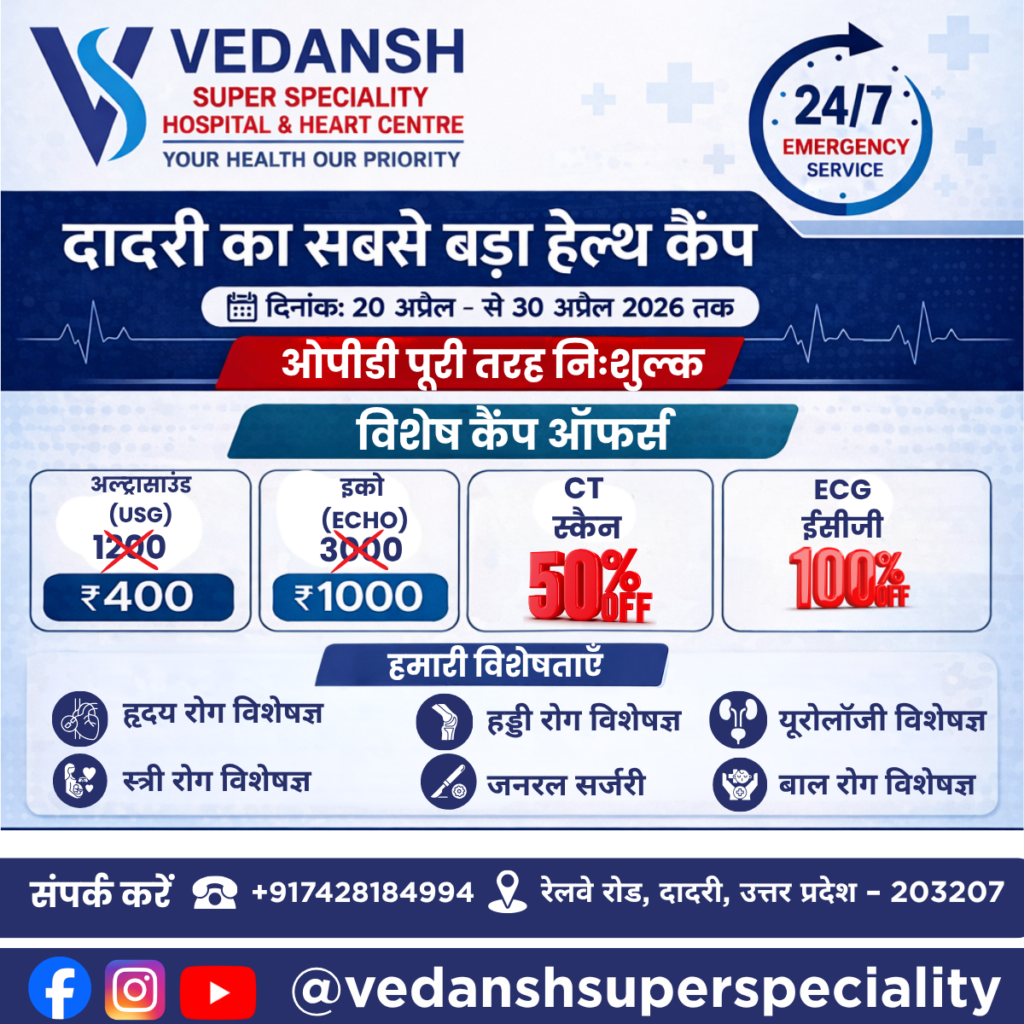
Access to timely and affordable healthcare remains a challenge in many semi-urban and developing regions. In areas like Dadri, Uttar Pradesh, where population growth is rapid and healthcare awareness is still evolving, community health camps play a crucial role in bridging the gap between medical services and the general public. Health camps are not merely short-term medical events; they are structured initiatives aimed at promoting preventive healthcare, early diagnosis, and public awareness. By bringing essential medical services closer to people, these camps help reduce the burden of undiagnosed diseases and encourage individuals to take a proactive approach toward their health. Understanding the Role of Health Camps in Modern Healthcare A health camp is typically an organized medical outreach program that provides free or low-cost consultations, screenings, and diagnostic services. These camps are often conducted by hospitals or healthcare organizations to address gaps in accessibility and affordability. Key objectives of health camps include: Increasing awareness about common and chronic diseases Encouraging early diagnosis and timely treatment Providing basic healthcare services to underserved populations Promoting healthy lifestyle practices Reducing long-term healthcare costs through prevention In regions like Dadri, such initiatives are particularly important because many individuals delay medical consultation due to financial limitations or lack of awareness. Why Preventive Healthcare is Essential Preventive healthcare focuses on identifying potential health risks before they develop into serious conditions. Despite its importance, it is often overlooked, especially in communities where healthcare is sought only during illness. Benefits of preventive healthcare: Early detection of diseases such as diabetes, hypertension, and heart conditions Reduced risk of complications and hospitalizations Lower medical expenses over time Improved quality of life and longevity Better management of existing health conditions Routine screenings and timely consultations can significantly reduce the impact of life-threatening diseases. Health camps contribute to this by making preventive services more accessible. Common Services Offered in Health Camps Health camps are designed to cover a wide range of basic and specialized healthcare services. While the exact offerings may vary, most camps include essential diagnostic and consultation facilities. Typical services available: General physician consultations Cardiovascular screening, including ECG and heart assessments Imaging services such as ultrasound and CT scans Blood pressure and blood sugar testing Women’s health consultations (gynecology) Child health checkups (pediatrics) Bone and joint evaluations (orthopedics) Basic surgical consultations These services help in identifying both symptomatic and asymptomatic conditions, ensuring that individuals receive appropriate medical guidance at an early stage. Health Awareness and Its Impact on Communities One of the most significant contributions of health camps is spreading awareness. Many health conditions remain undiagnosed simply because people are unaware of the symptoms or the importance of regular checkups. Areas where awareness is crucial: Heart disease and lifestyle-related disorders Women’s health and reproductive care Child nutrition and immunization Bone health and aging-related conditions Kidney and neurological disorders By educating individuals about these areas, health camps empower communities to make informed decisions regarding their health. Importance of Diagnostic Testing in Early Detection Diagnostic tests play a vital role in modern medicine. Many serious diseases develop silently without noticeable symptoms, making regular screening essential. Common diagnostic tests and their significance: ECG (Electrocardiogram): Helps detect irregular heart rhythms and cardiac issues ECHO: Provides detailed information about heart structure and function Ultrasound (USG): Used to examine internal organs and detect abnormalities CT Scan: Offers advanced imaging for accurate diagnosis of internal conditions Access to these tests at affordable rates encourages more individuals to undergo screenings, leading to early intervention and better treatment outcomes. Multi-Speciality Approach in Health Camps A major advantage of well-organized health camps is the availability of multiple specialists in one place. This integrated approach ensures comprehensive care and reduces the need for multiple hospital visits. Common specialties involved: Cardiology Orthopedics Gynecology Pediatrics Urology Neurology General Surgery This collaborative environment allows for better diagnosis, cross-consultation, and holistic treatment planning. Challenges in Healthcare Accessibility Despite advancements in medical infrastructure, several challenges continue to affect healthcare accessibility in smaller cities and towns: Limited awareness about preventive healthcare Financial constraints preventing timely diagnosis Lack of regular health checkups Dependence on symptomatic treatment rather than preventive care Limited access to specialized doctors Health camps help address these challenges by providing services in a cost-effective and accessible manner. Encouraging Regular Health Checkups One of the long-term goals of organizing health camps is to encourage individuals to adopt regular health checkups as part of their routine. Recommended frequency of checkups: Adults: At least once a year Individuals with chronic conditions: Every 3–6 months Elderly population: More frequent monitoring as advised by doctors Children: Regular pediatric evaluations for growth and development Regular monitoring helps in tracking health changes and preventing complications. The Role of Hospitals in Community Health Initiatives Hospitals play a vital role not only in treatment but also in prevention and awareness. By organizing health camps and outreach programs, healthcare institutions contribute to building healthier communities. Key contributions include: Providing medical expertise and infrastructure Promoting health education and awareness Supporting early diagnosis initiatives Offering affordable healthcare solutions Strengthening trust between healthcare providers and the community Such initiatives reflect a broader commitment to public health beyond clinical services. Building a Health-Conscious Society A health-conscious society is one where individuals prioritize their well-being through regular checkups, healthy lifestyles, and awareness. Community health camps serve as a catalyst in achieving this goal. Steps toward better health awareness: Participating in regular health screenings Maintaining a balanced diet and active lifestyle Seeking medical advice for early symptoms Educating family members about preventive care Utilizing local healthcare resources effectively Small steps taken at the individual level can collectively lead to significant improvements in public health. Conclusion Community health camps are an essential component of modern healthcare systems, particularly in regions where accessibility and awareness remain key challenges. By offering preventive services, diagnostic testing, and expert consultations in a single setting, these camps help individuals take control of their health in a practical and affordable way. In places like Dadri, such initiatives contribute to early disease detection, improved health literacy, and reduced