
The Complete Guide to Heart Health Protection
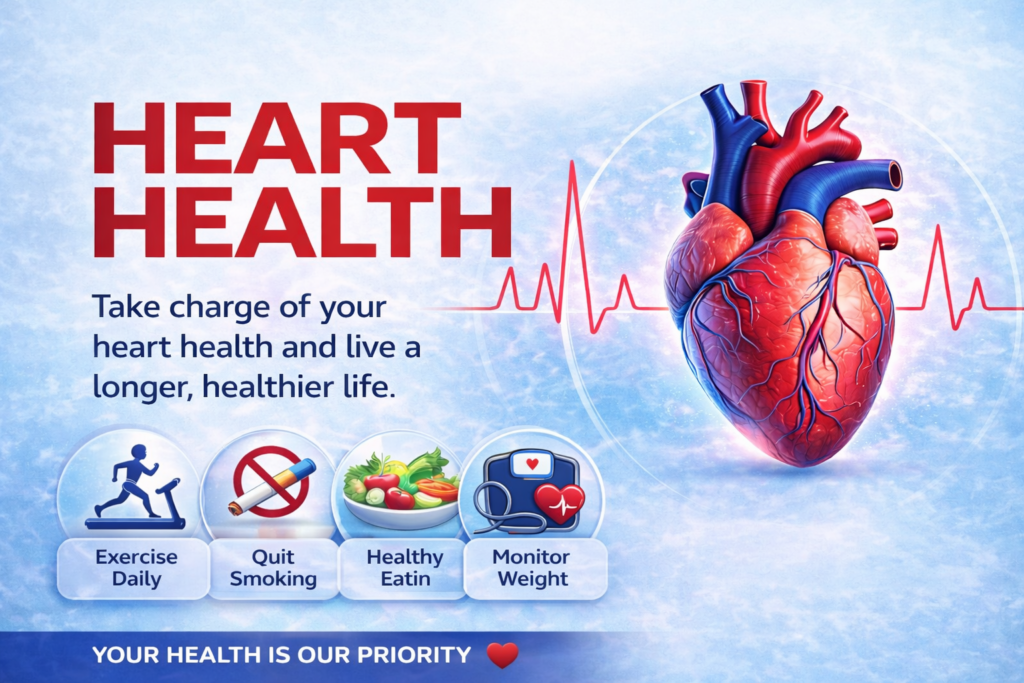
The Complete Guide to Heart Health Protection provides people with methods to maintain heart health as they work to achieve extended life and better health. Heart health stands as the most critical component of human health yet people keep ignoring it until they develop major health issues. The heart serves as the vital component that drives human bodily functions because it continuously circulates blood together with oxygen and essential nutrients to all body parts. The body operates at its best when the heart functions normally. People with heart health issues experience difficulties in all parts of their daily existence. Heart disease risk has risen because people today consume unhealthy foods and exercise less and endure more stress while smoking and sleeping poorly. Cardiovascular diseases remain one of the leading causes of death worldwide. High blood pressure and coronary artery disease and heart attacks and heart failure and irregular heart rhythms have reached high prevalence rates among younger adult populations. The good news is that most heart-related problems are preventable through early awareness and healthy lifestyle choices and regular medical checkups. Your first step toward achieving heart health requires you to learn proper heart care techniques. Understanding the Importance of Heart Health The heart beats approximately 100000 times daily while it pumps thousands of liters throughout the human body. The heart operates continuously which creates high sensitivity to all lifestyle changes. The human body suffers from reduced blood flow which leads to blocked arteries and organ damage that affects critical organs like the brain and kidneys. People need to maintain their heart health because it helps them avoid heart attacks while boosting their energy and mental focus and overall life satisfaction. Heart disease develops silently over an extended period which lasts for several years. People with high blood pressure and high cholesterol levels develop blood vessel damage and heart strain despite their lack of visible symptoms. Heart health education needs to be prioritized because it helps people prevent cardiovascular disease. Following a heart-healthy lifestyle helps people avoid severe health problems and extend their lifespan. The Role of Physical Activity in Heart Health The heart needs regular physical activity because it helps maintain heart strength and efficient function. Exercise enables improved blood circulation which helps people maintain their weight while decreasing bad cholesterol and increasing good cholesterol levels. The program also helps with blood pressure management and blood sugar control which decreases the chances of developing diabetes and heart disease. People who maintain a physically active lifestyle develop stronger heart muscles which enable them to pump blood with greater efficiency. The body experiences less strain which leads to decreased heart failure chances as this process continues. People need to develop the habit of doing moderate activities because it will help them achieve substantial health improvements through their daily walking and stretching and light aerobic exercise. To achieve heart fitness people need to engage in daily movements which should be part of their regular activities instead of performing intense exercise routines. Nutrition and Its Impact on Heart Health A healthy diet is one of the most powerful tools for preventing heart disease. What we eat directly affects cholesterol levels and blood pressure and body weight. Diets that contain high amounts of saturated fats and trans fats and sugar and salt lead to increased risk of clogged arteries and obesity and hypertension. Heart-healthy nutrition emphasizes fresh natural foods which provide nourishment to the body and promote proper cardiovascular function. Fruits and vegetables provide essential vitamins and minerals and antioxidants which protect blood vessels from damage. Whole grains assist in cholesterol control and provide constant energy throughout the day. Lean proteins maintain muscle strength without causing weight gain while healthy fats support heart health and decrease inflammation. People achieve balanced diets through their ability to choose healthy foods throughout the day instead of following strict eating rules. People achieve permanent heart health through their daily eating patterns instead of relying on short-term weight loss programs. Smoking and Its Dangerous Effects on the Heart Smoking stands as one of the most crucial factors that increase the likelihood of developing heart disease. Tobacco consumption leads to blood vessel damage which decreases oxygen levels and creates a higher risk of blood clotting. Smokers experience significantly higher rates of heart attacks and strokes and sudden cardiac events in comparison to non-smokers. The chemicals in cigarettes accelerate the buildup of plaque in arteries which results in the narrowing and hardening of blood vessels. This condition restricts blood flow and forces the heart to work harder. Quitting smoking has immediate and long-term benefits for heart health. Within a short period, blood pressure improves and circulation becomes better and the risk of heart disease begins to decrease significantly. Maintaining a Healthy Weight for a Strong Heart Extra body weight creates extra burdens for the cardiovascular system. Obesity creates a direct connection to three health conditions which include high blood pressure and high cholesterol and diabetes that increase the chances of developing heart disease. The heart operates better when a person keeps their body weight within a healthy range and this practice decreases the odds of experiencing ongoing health issues. People should achieve weight management through the combination of eating nutritious food and participating in regular exercise. The method of gradual sustainable changes leads to better results than the approach of quick weight reduction. Healthy body weight provides multiple advantages which include better heart function and increased ability to move and higher energy levels and greater self-assurance. Stress Management and Heart Health Chronic stress creates severe damage to cardiovascular systems. Persistent stress creates hormonal fluctuations which lead to higher blood pressure and faster heart rates and the development of dangerous habits like excessive eating and cigarette smoking. Over time, unmanaged stress can contribute to serious heart conditions. People need to control their stress levels because it affects their mental state and their physical condition. The practices of meditation and deep breathing and adequate sleep and building social contacts assist in calming the