
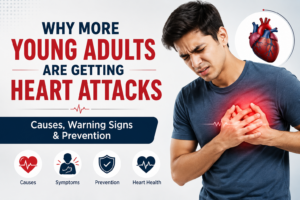
Heart attacks were once considered a health problem that primarily affected people over the age of 60. Today, however, cardiologists across India and around the world are witnessing a worrying trend—more young adults in their 20s, 30s, and 40s are experiencing heart attacks. This shift has raised serious concerns among healthcare professionals, especially because many of these individuals appear healthy, active, and successful in their daily lives.
According to various national and international studies, cardiovascular diseases remain one of the leading causes of death worldwide. In India, heart disease is affecting people at younger ages compared to many Western countries. Rapid urbanization, stressful lifestyles, unhealthy eating habits, smoking, obesity, diabetes, hypertension, and lack of preventive health check-ups have all contributed to this growing health crisis.
While genetics can play a role, lifestyle factors are responsible for a significant number of heart attacks among young adults. The encouraging news is that many of these risk factors are preventable. Understanding why heart attacks are becoming more common in younger people, recognizing early warning signs, and adopting heart-healthy habits can significantly reduce the risk.
Understanding a Heart Attack
A heart attack, medically known as myocardial infarction, occurs when blood flow to a part of the heart muscle becomes blocked. This blockage usually happens because fatty deposits (plaques) build up inside the coronary arteries over time. If one of these plaques ruptures, a blood clot can form and completely block the artery, preventing oxygen-rich blood from reaching the heart muscle.
Without oxygen, heart muscle cells begin to die within minutes. The longer treatment is delayed, the greater the damage to the heart. This is why immediate medical attention is essential whenever symptoms of a heart attack appear.
Why Are More Young Adults Experiencing Heart Attacks?
Several interconnected factors have contributed to the increasing number of heart attacks among younger adults.
1. Unhealthy Lifestyle Choices
Modern lifestyles often involve long working hours, prolonged sitting, limited physical activity, unhealthy diets, and inadequate sleep. Many young professionals spend most of their day at a desk, rarely finding time for exercise.
Regular physical inactivity weakens the cardiovascular system, contributes to weight gain, increases blood pressure, and raises cholesterol levels—all of which increase the likelihood of developing heart disease.
2. Poor Dietary Habits
The availability of processed foods, sugary beverages, deep-fried snacks, and fast food has dramatically changed eating habits.
These foods are often high in:
- Saturated fats
- Trans fats
- Excess sodium
- Refined carbohydrates
- Added sugars
Over time, unhealthy eating leads to obesity, diabetes, elevated cholesterol, and fatty deposits inside blood vessels.
Replacing processed foods with fruits, vegetables, whole grains, nuts, legumes, lean proteins, and healthy fats can greatly improve heart health.
3. Rising Stress Levels
Mental stress has become a major contributor to heart disease.
Common sources include:
- Workplace pressure
- Financial concerns
- Academic competition
- Business responsibilities
- Relationship challenges
- Social media pressure
Chronic stress causes the body to release stress hormones such as cortisol and adrenaline. Persistently elevated stress hormones can increase blood pressure, heart rate, inflammation, and unhealthy behaviors such as overeating and smoking.
Learning healthy stress management techniques is an important part of preventing cardiovascular disease.
4. Smoking and Tobacco Use
Smoking remains one of the most significant preventable causes of heart attacks.
Tobacco damages the inner lining of arteries, promotes plaque formation, increases blood clotting, reduces oxygen supply, and raises blood pressure.
Even occasional smoking or vaping may increase cardiovascular risk.
Quitting smoking is one of the most effective ways to reduce the chances of a heart attack.
5. Diabetes at a Younger Age
India has one of the largest populations of people living with diabetes.
Many young adults are now developing Type 2 diabetes due to obesity, sedentary lifestyles, and poor nutrition.
High blood sugar damages blood vessels and accelerates plaque formation inside arteries.
People with diabetes have a significantly higher risk of developing coronary artery disease and experiencing heart attacks.
6. High Blood Pressure
Hypertension is often called the “silent killer” because it usually causes no noticeable symptoms.
Many young adults are unaware that they have elevated blood pressure.
Over time, uncontrolled hypertension damages artery walls, increases the workload on the heart, and contributes to heart failure, stroke, and heart attacks.
Routine blood pressure monitoring is essential for early detection.
7. High Cholesterol
High levels of LDL (“bad”) cholesterol contribute to plaque buildup inside coronary arteries.
These plaques narrow the arteries and reduce blood flow.
If a plaque ruptures, it can trigger a clot that completely blocks blood flow to the heart.
Regular lipid profile testing helps identify cholesterol abnormalities before complications develop.
8. Obesity
Obesity has become increasingly common among young adults.
Excess body weight contributes to:
- Diabetes
- High blood pressure
- High cholesterol
- Sleep apnea
- Chronic inflammation
Even moderate weight loss can substantially improve heart health.
9. Lack of Quality Sleep
Many young adults sacrifice sleep because of demanding work schedules, late-night entertainment, or excessive screen time.
Poor sleep has been associated with:
- High blood pressure
- Obesity
- Diabetes
- Increased inflammation
- Heart disease
Most adults should aim for 7–9 hours of quality sleep every night.
10. Family History and Genetics
Genetics also play a role in cardiovascular disease.
Individuals whose parents or siblings developed heart disease at an early age may have a higher inherited risk.
Although genetics cannot be changed, healthy lifestyle choices can help reduce overall risk.
Early Warning Signs of a Heart Attack
Many people assume that heart attacks always begin with sudden, severe chest pain.
In reality, symptoms can vary.
Common warning signs include:
- Chest pressure or tightness
- Pain spreading to the arm, shoulder, jaw, neck, or back
- Shortness of breath
- Cold sweating
- Nausea
- Vomiting
- Extreme fatigue
- Lightheadedness
- Dizziness
- Fainting
Some individuals, especially those with diabetes, may experience only mild symptoms.
Never ignore persistent chest discomfort.
Are Heart Attack Symptoms Different in Young Adults?
Young adults sometimes dismiss symptoms because they believe they are “too young” to have heart disease.
Chest discomfort may be mistaken for:
- Gas
- Acidity
- Muscle strain
- Anxiety
- Indigestion
Unfortunately, delaying treatment can lead to irreversible heart damage.
Whenever symptoms persist for more than a few minutes, immediate medical evaluation is recommended.
Risk Factors You Should Not Ignore
Your risk increases if you have one or more of the following:
- Smoking
- Diabetes
- High blood pressure
- High cholesterol
- Obesity
- Family history of heart disease
- Chronic stress
- Physical inactivity
- Poor diet
- Sleep deprivation
The more risk factors present, the greater the likelihood of cardiovascular disease.
Can Exercise Trigger a Heart Attack?
Exercise itself is generally beneficial.
However, strenuous exercise without prior conditioning may trigger a cardiac event in someone with underlying heart disease.
People who have multiple risk factors should consult a healthcare professional before beginning intense exercise programs.
How Doctors Diagnose Heart Disease
Evaluation may include:
- Medical history
- Physical examination
- Blood pressure measurement
- Electrocardiogram (ECG)
- Echocardiography
- Treadmill Test (TMT)
- Blood investigations
- Lipid profile
- Blood sugar testing
- Cardiac enzyme tests
- Coronary angiography (when necessary)
Early diagnosis often allows treatment before a major heart attack occurs.
Treatment Options
Treatment depends on the severity of the blockage.
Options may include:
- Emergency medications
- Blood-thinning medicines
- Cholesterol-lowering medications
- Angioplasty with stent placement
- Coronary artery bypass surgery (CABG)
- Lifestyle modification
- Cardiac rehabilitation
Rapid treatment significantly improves survival.
How to Protect Your Heart
Simple lifestyle changes can dramatically reduce cardiovascular risk.
Eat a Balanced Diet
Choose:
- Fresh fruits
- Green vegetables
- Whole grains
- Lean proteins
- Healthy oils
- Nuts
- Seeds
Limit:
- Sugary drinks
- Fried foods
- Processed snacks
- Excess salt
- Excess sugar
Exercise Regularly
Aim for at least:
- 150 minutes of moderate exercise each week
Activities include:
- Walking
- Cycling
- Swimming
- Jogging
- Yoga
Quit Smoking
Stopping smoking reduces cardiovascular risk almost immediately.
Long-term benefits continue to increase over time.
Maintain Healthy Weight
Achieving a healthy BMI improves blood pressure, cholesterol, and blood sugar.
Sleep Well
Quality sleep supports heart health, hormone regulation, and blood pressure control.
Control Existing Medical Conditions
Proper treatment of diabetes, hypertension, and high cholesterol greatly lowers heart attack risk.
Manage Stress
Healthy stress management techniques include:
- Meditation
- Yoga
- Deep breathing
- Spending time with family
- Hobbies
- Regular exercise
Importance of Preventive Health Check-ups
Regular health screening can detect problems before symptoms appear.
Adults with risk factors should undergo periodic evaluation, including:
- Blood pressure
- Blood sugar
- Lipid profile
- ECG
- Cardiac assessment when recommended by a physician
Early detection often prevents serious complications.
Common Myths About Heart Attacks
Myth 1: Only elderly people get heart attacks.
Fact: Young adults can also experience heart attacks, especially if they have multiple risk factors.
Myth 2: If chest pain disappears, everything is fine.
Fact: Temporary symptoms may still indicate serious heart disease.
Myth 3: Fitness alone guarantees protection.
Fact: Even physically active individuals may have inherited or undiagnosed cardiovascular disease.
Myth 4: Women do not get heart attacks at a young age.
Fact: Women can also develop heart disease, although symptoms may sometimes differ from those experienced by men.
Frequently Asked Questions (FAQs)
1. Why are heart attacks increasing among young adults?
Heart attacks are becoming more common among young adults due to unhealthy lifestyles, chronic stress, smoking, obesity, diabetes, high blood pressure, poor dietary habits, lack of exercise, and increasing cholesterol levels. Family history and genetic factors can also increase the risk.
2. Can a healthy-looking young person have a heart attack?
Yes. Even people who appear fit can have underlying heart disease due to genetic factors, high cholesterol, smoking, undiagnosed diabetes, or stress. Some athletes and gym-goers may also have hidden heart conditions.
3. At what age are heart attacks becoming more common?
Doctors are increasingly seeing heart attacks in people between 25 and 45 years of age, although they can occur even earlier in individuals with multiple risk factors.
4. What are the first warning signs of a heart attack in young adults?
Early warning signs may include:
- Chest pain, pressure, or tightness
- Pain spreading to the left arm, neck, jaw, shoulder, or back
- Shortness of breath
- Cold sweating
- Unusual fatigue
- Dizziness
- Nausea or vomiting
Some people experience only mild symptoms, which should never be ignored.
5. Can stress alone cause a heart attack in young adults?
Stress alone is rarely the only cause, but chronic stress increases blood pressure, inflammation, unhealthy eating habits, poor sleep, and smoking—all of which significantly raise the risk of heart disease.
6. Is gym exercise or heavy workouts responsible for heart attacks in young people?
Regular exercise is beneficial for heart health. However, intense workouts without proper medical evaluation may trigger a heart attack in someone with an undiagnosed heart condition. People with chest pain, breathlessness, or a family history of heart disease should seek medical advice before starting vigorous exercise.
7. How is a heart attack different from gas or acidity?
Heart attack pain often feels like pressure, heaviness, squeezing, or tightness in the chest and may spread to the arm, jaw, neck, or back. It is often accompanied by sweating, shortness of breath, or nausea. Gas or acidity usually causes burning discomfort related to meals and may improve with antacids. If you’re unsure, seek emergency medical evaluation immediately.
8. Does smoking or vaping increase the risk of heart attacks in young adults?
Yes. Both smoking and vaping can damage blood vessels, increase blood clot formation, raise blood pressure, and accelerate the development of heart disease, significantly increasing the risk of heart attacks.
9. Which medical conditions increase the risk of heart attacks at a young age?
Common conditions include:
- High blood pressure
- Diabetes
- High cholesterol
- Obesity
- Chronic kidney disease
- Family history of premature heart disease
Managing these conditions early can reduce cardiovascular risk.
10. Can women in their 20s and 30s have heart attacks?
Yes. Although men generally have a higher risk at younger ages, women can also experience heart attacks. Symptoms may include chest pain, shortness of breath, fatigue, nausea, dizziness, or pain in the jaw, neck, or back.
11. What tests can detect heart disease in young adults?
Depending on your symptoms and risk factors, a doctor may recommend:
- Blood pressure measurement
- Blood sugar testing
- Lipid profile (cholesterol test)
- Electrocardiogram (ECG)
- Echocardiography (Echo)
- Treadmill Test (TMT)
- CT Coronary Angiography or Coronary Angiography (when indicated)
12. How can young adults prevent heart attacks?
You can lower your risk by:
- Eating a heart-healthy diet
- Exercising regularly
- Avoiding smoking and tobacco
- Limiting alcohol intake
- Maintaining a healthy weight
- Managing stress effectively
- Getting 7–9 hours of quality sleep
- Controlling blood pressure, diabetes, and cholesterol
- Having regular preventive health check-ups
Final Thoughts
The increasing number of heart attacks among young adults serves as an important reminder that heart disease is no longer confined to old age. Modern lifestyles, unhealthy dietary habits, smoking, stress, obesity, diabetes, and high blood pressure have significantly increased cardiovascular risk in younger populations.
Fortunately, heart disease is often preventable. Regular exercise, nutritious eating, avoiding tobacco, managing stress, maintaining a healthy weight, and undergoing periodic health check-ups can dramatically reduce the likelihood of serious heart problems.
Recognizing early warning signs and seeking immediate medical attention can save lives. If you experience chest discomfort, shortness of breath, unexplained sweating, or pain spreading to the arm or jaw, do not delay seeking emergency medical care.