

Orthopedic Doctor in Dadri Expert Care for Knee Pain and Joint Problems
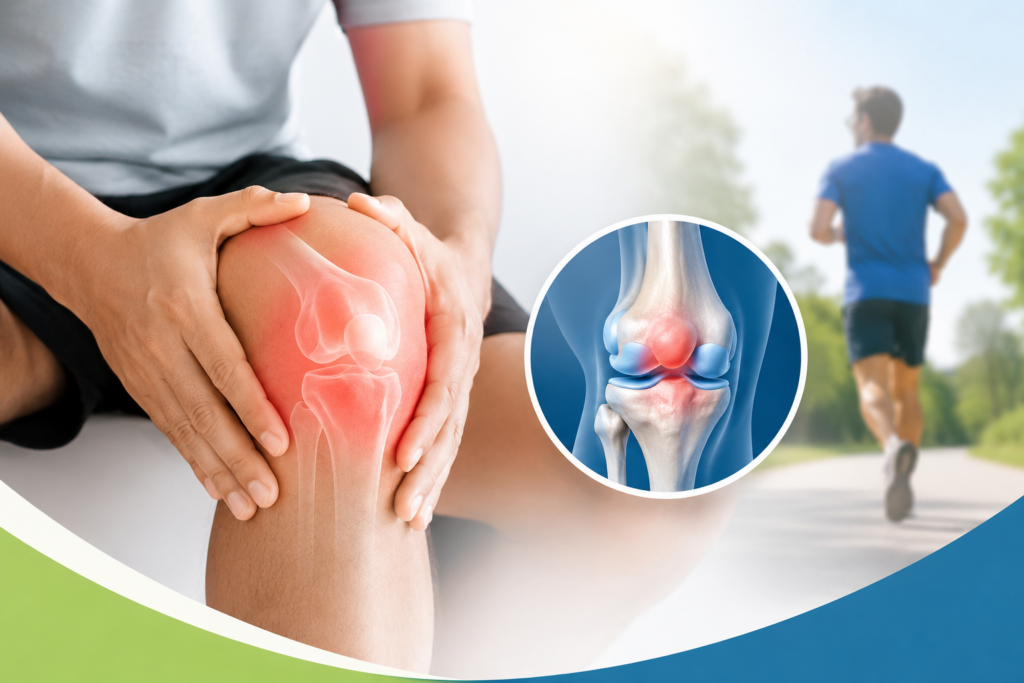
Knee and joint pain rarely announce themselves all at once — they build slowly, through stiffness after a long day, a twinge while climbing stairs, or swelling that just won’t settle down. For residents of Dadri, Bisrakh, Surajpur, Dadri Road, and the wider Greater Noida belt, getting that pain checked early often makes the difference between a short course of physiotherapy and a much longer recovery later. This guide breaks down what causes knee and joint pain, when it’s time to see a specialist, and how orthopedic care in Dadri at Vedansh Hospital helps local patients move freely again. What’s Really Causing Your Knee or Joint Pain? Joint pain has more than one root cause, and the right treatment depends entirely on identifying the correct one. Osteoarthritis is the most frequent culprit, especially past middle age. It develops as the cushioning cartilage between joints wears thin over time, leading to stiffness, swelling, pain during movement, and a gradual loss of flexibility. Rheumatoid arthritis works differently — it’s an autoimmune condition where the body’s own immune system attacks the joint lining, causing inflammation, swelling, and pain that can appear even in younger patients. Sports and activity-related injuries are common among the growing number of young, active professionals in Greater Noida’s residential sectors. Ligament tears, meniscus damage, muscle strains, and fractures from sports or gym injuries all need prompt diagnosis to avoid long-term joint instability. Excess body weight adds continuous mechanical stress to the knees, accelerating cartilage wear and raising the risk of early arthritis — a growing concern given increasingly sedentary urban lifestyles. Age-related degeneration is a natural process, but its pace and severity vary widely; some people manage it with minor lifestyle changes, while others need more structured medical support. Symptoms That Shouldn’t Be Ignored You should consider visiting an orthopedic doctor in Dadri if you notice: Knee pain that persists rather than fading after rest Stiffness that makes mornings or long sitting uncomfortable Visible swelling around a joint Difficulty walking, climbing stairs, or bearing weight A noticeably reduced range of motion Recurring back or shoulder pain alongside joint symptoms Many patients delay a visit, hoping the discomfort will pass on its own. In practice, untreated joint issues tend to progress rather than resolve, and what starts as occasional stiffness can develop into chronic damage. When Is It Time to See a Bone Specialist? A consultation becomes important — not optional — when: Pain has lasted more than two to three weeks Swelling is increasing rather than settling Walking or standing has become noticeably harder There’s a recent injury or fall involved Daily activities like dressing, driving, or working are affected Early evaluation by a bone specialist in Dadri typically means simpler, less invasive treatment. Waiting often narrows the available options later. How Orthopedic Conditions Are Diagnosed A thorough diagnosis at Vedansh Hospital usually involves: A detailed physical and movement examination X-rays to assess bone structure and joint alignment MRI scans for soft tissue, ligament, or cartilage evaluation Blood tests to rule out autoimmune or inflammatory causes Bone density and overall bone health assessments Combining these tools allows the orthopedic team to pinpoint the exact cause rather than treating symptoms alone — which is what leads to lasting relief instead of temporary relief. Treatment Options for Knee and Joint Pain Medication — Anti-inflammatory and pain-relief medication can help manage acute flare-ups and reduce swelling while the underlying issue is addressed. Physiotherapy — A structured physiotherapy program rebuilds joint mobility, strengthens supporting muscles, improves balance, and restores flexibility — often the single most effective non-surgical treatment for chronic joint pain. Lifestyle modification — Sustainable weight management, regular low-impact exercise, a joint-friendly diet, and posture correction frequently reduce pain intensity and slow further degeneration. Surgical treatment — For fractures, significant ligament tears, or advanced joint damage that hasn’t responded to conservative treatment, surgical intervention may be the most effective path to restoring function. Protecting Your Bone and Joint Health Long-Term Simple, consistent habits go a long way in preventing joint problems before they start: Stay physically active with joint-friendly exercise such as walking, swimming, or cycling Maintain a healthy body weight to reduce mechanical stress on knees and hips Include calcium-rich foods like dairy, leafy greens, and nuts in your diet Get adequate sunlight or supplementation for vitamin D Avoid smoking, which weakens bone density over time Use correct form and warm-up routines during exercise or sport Why Patients Across Dadri and Greater Noida Choose Vedansh Hospital Vedansh Hospital has built a reputation as a dependable destination for orthopedic care in Dadri, combining accessibility for local families with a full range of clinical services, including: Comprehensive joint pain management Fracture diagnosis and treatment Arthritis care for both osteoarthritis and rheumatoid arthritis Sports injury evaluation and rehabilitation Bone health and density assessments On-site physiotherapy and post-treatment rehabilitation support Patients from Dadri, Bisrakh, Surajpur, Dadri Road, and neighboring Greater Noida sectors choose Vedansh Hospital specifically because they can access X-rays, specialist consultation, and physiotherapy without traveling across the city for each step. Frequently Asked Questions Q: Who should I consult for ongoing knee pain in Dadri? An orthopedic doctor is the right specialist for persistent knee pain. Vedansh Hospital’s orthopedic team in Dadri evaluates the cause through physical examination and imaging before recommending treatment. Q: Can knee pain be treated without surgery? Yes, many cases of knee pain respond well to medication, physiotherapy, and lifestyle changes. Surgery is generally considered only when conservative treatment doesn’t resolve the underlying issue. Q: Is joint pain always linked to aging? No. While age-related wear is common, joint pain can also stem from autoimmune conditions, sports injuries, excess weight, or previous untreated injuries — at any age. Q: How soon should I see a doctor after a sports injury? It’s best to get a sports-related knee or joint injury evaluated within a few days, especially if there’s swelling, instability, or difficulty bearing weight, to avoid complications. Conclusion: Don’t Let Joint Pain Limit Your Life Knee pain and