
Signs and Symptoms of Kidney Stones: When to Seek Treatment in Dadri
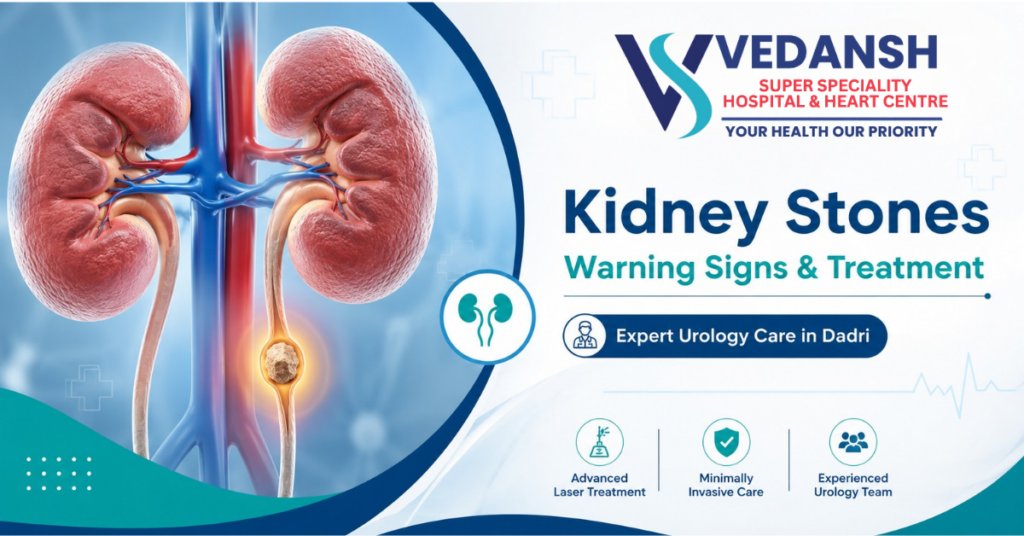
That sudden, sharp pain in your lower back or side can stop you in your tracks. For many people, it turns out to be a kidney stone. These hard mineral deposits are surprisingly common, and they can cause real discomfort if left untreated. The good news? When you catch the warning signs early, you can avoid bigger problems down the road. In this guide, you’ll learn what kidney stones are, what causes them, the key symptoms to watch for, and the treatment options available. You’ll also discover when it’s time to see a urologist in Dadri and how to lower your risk. Knowing these basics helps you act fast and protect your health. What Are Kidney Stones? Kidney stones are hard deposits made of minerals and salts that form inside your kidneys. They start small but can grow over time. Some pass on their own through urine, while larger ones get stuck and cause pain. Stones can sit quietly in the kidney for a while. Trouble usually starts when one moves into the narrow tube connecting your kidney to your bladder. That’s when the pain hits. Common Types of Kidney Stones Not all kidney stones are the same. Knowing the type helps your doctor plan the right treatment. The main types include: Calcium stones – the most common type, often formed from calcium oxalate Uric acid stones – linked to high-protein diets and dehydration Struvite stones – usually caused by urinary infections Cystine stones – a rarer type tied to a genetic condition What Causes Kidney Stones? Kidney stones don’t appear out of nowhere. Several everyday factors raise your risk. The biggest one is simple: not drinking enough water. When urine is concentrated, minerals stick together more easily. Other common causes include: Dehydration from low fluid intake High salt intake in your daily meals Too much animal protein, like red meat Obesity and an inactive lifestyle Family history of kidney stones Certain medical conditions that affect mineral balance The takeaway? Many of these risk factors are within your control. Small changes can make a big difference. Common Kidney Stone Symptoms Spotting these symptoms early helps you get treatment before things worsen. Here are the signs to watch for. Severe Pain This is the most common warning sign. The pain often shows up: In your lower back On one side of your abdomen In the groin area The pain may come in waves, building up and then easing off. It can be mild one minute and intense the next. Pain or Burning During Urination Many people feel a burning sensation or discomfort while passing urine. This often signals the stone is moving lower in the urinary tract. Blood in Urine A stone can irritate the urinary tract and cause bleeding. Your urine may look pink, red, or brown. While alarming, this is a clear sign to see a doctor. Frequent Urination You might feel the urge to urinate more often than usual, sometimes passing only small amounts. Nausea and Vomiting Severe pain can upset your stomach, leading to nausea or vomiting. This often happens during a strong pain episode. Fever and Chills If a stone causes an infection, you may develop a fever and chills. This is a serious sign that needs immediate care. When Should You See a Urologist in Dadri? Some small stones pass on their own. But certain symptoms mean it’s time to consult the best urologist in Dadri without delay. Don’t wait if you notice: Severe pain that won’t ease up Blood in your urine Trouble passing urine Fever along with urinary symptoms Constant nausea or vomiting Acting early can prevent kidney damage and other complications. When in doubt, get checked by an experienced kidney doctor. How Are Kidney Stones Diagnosed? Getting the right diagnosis is the first step toward relief. The best urology doctor in Dadri uses a few simple methods to find the size and location of the stone. These may include: A physical examination Urine tests to check for blood or infection Blood tests to measure mineral levels Ultrasound for a clear inner view CT scan for detailed images X-rays in some cases An accurate diagnosis guides the best treatment plan for your situation. Kidney Stone Treatment Options Treatment depends on the size, type, and location of the stone. Here’s a look at the main options your urologist in Dadri may suggest. Medication Small stones often pass naturally with a little help. Your doctor may recommend: Drinking more water to flush the stone out Pain-relieving medicines for comfort Medicines that relax the urinary tract for easier passage Laser Stone Treatment For larger stones, modern laser stone treatment is highly effective. The laser breaks the stone into tiny fragments, which then pass out easily. It’s precise and reduces the need for open surgery. Endoscopic Procedures These minimally invasive techniques let doctors reach and remove stones through small, natural openings. The result is less discomfort and a faster recovery for most patients. Surgery In some cases, large or complex stones need surgical removal. The best kidney doctor in Dadri will only suggest this when other options aren’t suitable, and they’ll guide you through every step. How to Prevent Kidney Stones Once you’ve had a kidney stone, you’re more likely to get another. The good news is that prevention is often straightforward. Try these simple habits: Drink plenty of water every day, aiming for clear or pale urine Limit salt in your meals Maintain a healthy weight through regular activity Eat a balanced diet with the right mix of nutrients Follow your doctor’s advice, especially after a past stone Ask yourself: are you drinking enough water each day? That one habit alone can lower your risk a lot. Why Choose Vedansh Hospital for Kidney Stone Treatment in Dadri? When it comes to your health, experience and care matter. Vedansh Hospital offers complete urology services under one roof. Our team brings together the skills you expect from the best urologist in Dadri, with a focus on accurate