
Why Heart Health Needs Your Attention Today
Heart disease is no longer a concern only for older adults. Recently, cases of high blood pressure, high cholesterol, heart blockage, and heart attacks have increased significantly among younger people. Factors like stress, a sedentary lifestyle, unhealthy eating habits, and lack of regular health checkups contribute to this growing issue.
Many people could avoid serious heart conditions with simple lifestyle changes. Improving diet can make a significant difference. What you eat daily directly impacts your heart, blood vessels, and overall cardiovascular system.
Many people ask:
“Which food is best for heart health?”
The answer isn’t just one food; it is a combination of nutrient-rich choices that support long-term heart function.
In this blog, we explain the best foods for heart health, how they work, and how you can include them in your daily routine to lower your risk of heart disease.
Understanding the Link Between Diet and Heart Health
Your heart pumps blood continuously, supplying oxygen and nutrients to every part of your body. However, poor dietary habits can gradually damage your cardiovascular system. Diets high in processed food, excess salt, sugar, and unhealthy fats can lead to cholesterol buildup in arteries, higher blood pressure, and inflammation.
Conversely, a heart-healthy diet helps control cholesterol, maintain blood pressure, improve circulation, and reduce the risk of serious conditions like heart attack and stroke.
Early lifestyle changes can significantly reduce future health issues.
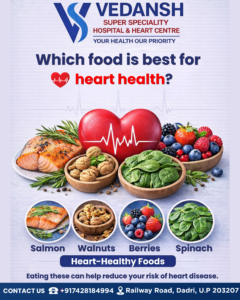
Top Foods That Support Heart Health
Salmon: A Powerful Source of Omega-3 Fatty Acids
Salmon is considered one of the best foods for heart health because of its high omega-3 fatty acid content. These healthy fats reduce inflammation and improve blood vessel function.
Eating salmon regularly can lower triglyceride levels, support a stable heart rhythm, and decrease the risk of cardiovascular disease. For patients with cholesterol or blood pressure issues, including omega-3-rich foods in their diet is highly beneficial.
If salmon is hard to find, Indian fish like rohu, sardines, and mackerel can provide similar benefits when cooked in a healthy way. It is best to avoid deep frying and choose grilled or lightly cooked methods instead.
Walnuts: Small but Extremely Heart-Friendly
Walnuts are among the most effective natural foods for improving heart health. They are rich in plant-based omega-3 fatty acids, antioxidants, and essential minerals that help protect the heart.
Eating walnuts regularly may help lower bad cholesterol levels and improve blood vessel health. They also help control inflammation, a key factor in many cardiovascular diseases.
A small portion of walnuts daily—about 4 to 6 pieces—is sufficient to support heart health. You can easily add them to breakfast, salads, or eat them as a snack instead of processed foods. It is best to choose plain, unsalted walnuts, especially for those with high blood pressure.
Berries: Natural Protection for Your Heart
Berries, like blueberries, strawberries, and blackberries, are rich in antioxidants that protect the heart from oxidative stress. These fruits contain compounds that support healthy blood vessels and improve circulation.
Regularly eating berries may help manage blood pressure and reduce inflammation. They are also a healthier alternative to sugary snacks, making them ideal for those trying to control their weight and sugar levels.
In India, where imported berries may not always be available, fruits like amla, jamun, and pomegranate can provide similar heart-protective benefits. Including seasonal fruits in your diet is an easy way to support cardiovascular health.
Spinach: A Green Superfood for Cardiovascular Wellness
Spinach is one of the most nutrient-dense leafy vegetables and is crucial for heart health. It is high in potassium, iron, fiber, and antioxidants, all of which help keep blood pressure in check and improve circulation.
Adding spinach to your daily meals can lessen the strain on your heart and support overall metabolic health. It is especially good for those dealing with hypertension or weight issues.
Spinach can be easily included in Indian diets through dishes like palak sabzi, dal, soups, or even smoothies. However, it is essential to prepare it with minimal oil, salt, and cream to maintain its health benefits.
Building a Complete Heart-Healthy Diet
While the foods mentioned above are beneficial, a truly effective heart-healthy diet includes a balanced mix of nutrients. Whole grains like oats, brown rice, and whole wheat help control cholesterol and maintain steady energy levels.
Fresh fruits and vegetables should take up a significant part of your daily meals as they provide essential vitamins, minerals, and fiber. Pulses and legumes offer excellent plant-based protein and are much healthier than processed or fried foods.
Incorporating seeds like flaxseeds and chia seeds in small amounts can further improve heart health by providing healthy fats and nutrients.
It is always better to focus on consistency rather than short-term diet changes. A balanced daily routine is much more effective than occasional healthy eating.
Foods That Increase the Risk of Heart Disease
While knowing what to eat is important, it’s equally vital to understand what to avoid. Certain foods can significantly increase the risk of heart problems when consumed regularly.
Fried foods, processed snacks, sugary drinks, and too much salt are among the biggest contributors to heart disease. These foods can lead to weight gain, high cholesterol, and increased blood pressure over time.
You should also limit heavy use of butter, ghee, and cream, especially if you have existing cholesterol or heart issues. Moderation is essential with such ingredients.
Lifestyle Habits That Support Heart Health
Diet alone can’t maintain a healthy heart; it must be paired with a healthy lifestyle.
Simple habits like regular walking, maintaining a healthy weight, managing stress, and getting enough sleep can significantly reduce the risk of heart disease. Avoiding smoking and limiting alcohol intake are also crucial steps in protecting your heart.
Regular health checkups are equally important. Many heart issues develop silently, and early detection can prevent serious complications.
When Should You Consult a Heart Specialist?
Don’t ignore early warning signs related to heart health. Symptoms such as chest pain, breathlessness, palpitations, dizziness, or unusual fatigue should be taken seriously.
If you have conditions like high blood pressure, diabetes, or a family history of heart disease, regular consultations with a healthcare professional are even more critical.
Timely evaluation, preventive care, and expert guidance can help patients manage their heart health effectively.
Message from Our Doctor
Most heart diseases can be prevented with the right awareness and timely action. A healthy diet, regular exercise, and routine checkups can greatly reduce your risk.
If you have risk factors like high blood pressure, diabetes, obesity, or a family history of heart disease, taking preventive steps early is essential. Don’t wait for symptoms to worsen.
Dr.Anupam Priyadashee
M.B.B.S ,A.P.G.D.N.I.C Cardiology
Frequently Asked Questions (FAQs)
1. Which food is best for heart health?
There is no single best food, but a mix of foods like salmon, walnuts, berries, spinach, fruits, vegetables, and whole grains offers the best support for heart health.
2. Can diet really prevent heart disease?
Yes, a healthy diet plays a big role in lowering the risk of heart disease by managing cholesterol, blood pressure, and weight.
3. How often should I eat heart-healthy foods?
Heart-healthy foods should be part of your daily routine. Consistency is more important than occasional healthy eating.
4. Are Indian foods good for heart health?
Yes, traditional Indian foods like dal, vegetables, fruits, and whole grains can be very healthy when made with less oil, salt, and processed ingredients.
5. When should I consult a heart specialist in Dadri?
You should see a specialist if you experience chest pain, breathlessness, or high blood pressure, or if you have risk factors like diabetes, obesity, or a family history of heart disease.
Conclusion
Maintaining heart health is not about following a strict or complicated diet. It is about making better food choices consistently and adopting healthy lifestyle habits over time.
Including foods like salmon, walnuts, berries, and spinach in your routine, while avoiding highly processed and unhealthy foods, can make a meaningful difference in reducing the risk of heart disease.
A balanced diet, regular physical activity, stress management, and timely health checkups all play an important role in supporting long-term cardiovascular wellness.