
Gynecology is a crucial aspect of women’s health that extends far beyond routine check-ups. It encompasses the care and treatment of the female reproductive system, addressing everything from menstrual irregularities to complex reproductive conditions. For women in Dadri and Greater Noida, understanding gynecology and prioritizing women’s health can significantly improve quality of life and prevent serious health complications. This comprehensive guide explores the essential aspects of gynecology, common health conditions, preventive care strategies, and practical wellness tips designed specifically for women navigating different life stages.
Women’s health requires a holistic approach that considers hormonal balance, reproductive wellness, mental health, and overall lifestyle factors. Many women experience health challenges that go undiagnosed for years simply because they don’t know what to look for or where to seek help. This guide aims to empower you with knowledge about your body, recognize warning signs, understand treatment options, and make informed decisions about your reproductive health and wellness journey.
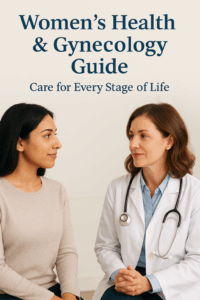
What is Gynecology? Understanding Female Reproductive Health
Gynecology is the medical specialty dedicated to diagnosing and treating conditions affecting the female reproductive system, which includes the uterus, ovaries, fallopian tubes, vagina, cervix, and breasts. Unlike other medical fields, gynecology encompasses not just disease treatment but also preventive care, sexual health, fertility counseling, and support through major life transitions like menopause.
A comprehensive gynecological approach considers how reproductive health interconnects with overall wellness, including metabolic health, mental health, cardiovascular function, and bone health. Gynecologists address questions about menstruation, contraception, sexual function, fertility, pregnancy, and the physical and emotional changes accompanying hormonal transitions. Regular gynecological care serves multiple purposes: providing disease prevention through screening and early detection of conditions like cervical cancer and breast cancer; addressing symptoms affecting quality of life such as painful periods or heavy bleeding; supporting fertility goals whether preventing or facilitating pregnancy; and helping women navigate major transitions like puberty, pregnancy, and menopause with confidence and appropriate support.
The importance of starting gynecological care early cannot be overstated. Ideally, initial visits occur around age 13 if a girl has questions about menstruation. By age 21, every woman should establish routine gynecological care including cervical cancer screening. Early relationships with gynecological providers ensure you have trusted professionals to turn to throughout your reproductive years and beyond.
Women’s Health Evolution: Age-Specific Care and Considerations
Women’s health needs transform dramatically across different life stages. Understanding the unique health considerations at each age helps you recognize normal changes, identify potential problems, and stay proactive about your wellbeing.
Adolescent Years: Building Healthy Foundations (Ages 13-19)
The teenage years mark the beginning of menstrual life for most girls. The first menstrual period typically occurs between ages 11 and 15. Initial periods are often irregular as the body’s hormonal system matures, with cycles gradually becoming more predictable over 2-3 years.
Many teenage girls experience cramping, bloating, or mood changes associated with menstruation. Mild to moderate period pain usually responds well to over-the-counter pain relief and heat. However, severe pain that interferes with school or daily activities warrants medical evaluation. Polycystic ovary syndrome (PCOS), affecting approximately 20% of women and often beginning in the teenage years, can cause irregular periods, acne, and excess hair growth. Thyroid disorders, affecting about 12% of women, commonly cause menstrual irregularity alongside fatigue and mood changes.
Tracking menstrual cycles using apps or calendars helps teenagers understand their individual patterns. Nutrition becomes increasingly important during the teenage years as many girls develop iron-deficiency anemia—affecting about 52% of Indian women. Iron-rich foods like spinach, lentils, and fortified cereals help prevent fatigue. HPV vaccination during the teenage years provides lifelong protection against cervical cancer, making it one of the most important preventive health investments available.
Reproductive Years: Planning and Pregnancy (Ages 20-35)
The twenties and thirties represent the most fertile years of a woman’s reproductive life. During these decades, many women face important decisions about family planning. Understanding contraceptive options, fertility awareness, and preconception health empowers informed decision-making aligned with your life goals.
Contraceptive choices have expanded dramatically, offering options for virtually every preference and health situation. Intrauterine devices (IUDs) provide highly effective, long-acting reversible contraception lasting 3-12 years. Hormonal methods including pills, patches, and rings offer flexibility. Barrier methods provide protection against both pregnancy and sexually transmitted infections. Choosing contraception involves weighing effectiveness, convenience, and personal preferences.
For women planning pregnancy, preconception health optimization significantly improves outcomes. Starting folic acid supplementation several months before conception reduces neural tube defects by approximately 70%. Managing chronic conditions like diabetes before pregnancy improves maternal and fetal health. Achieving a healthy weight through balanced nutrition and regular exercise enhances fertility and reduces pregnancy complications.
Infertility—inability to conceive after one year of regular unprotected intercourse—affects many couples and deserves professional evaluation. Various treatments exist ranging from simple interventions to advanced procedures like IUI or IVF. Pregnancy itself represents a profound transition requiring comprehensive prenatal care that monitors maternal health and fetal development, screens for complications, and prepares you for labor and delivery.
The postpartum period deserves careful attention and support. Your body has undergone tremendous change and needs adequate rest and nutrition. Hormonal shifts following delivery contribute to mood changes ranging from mild baby blues to postpartum depression affecting about 15% of new mothers. Lactation support helps establish successful breastfeeding if you choose to nurse.
Perimenopause and Menopause: Navigating Hormonal Transition (Ages 40+)
The approach of menopause brings hormonal shifts creating physical and emotional changes. Perimenopause—the transition period typically lasting 4-10 years before the final menstrual period—involves fluctuating estrogen and progesterone levels triggering various symptoms.
Hot flashes, affecting about 75% of women, represent sudden episodes of intense heat often accompanied by flushing and sweating. Night sweats similarly interrupt sleep patterns. Mood swings, irritability, anxiety, or depression can feel disproportionate to circumstances. Sleep disturbances plague many perimenopausal women through multiple mechanisms. Other common symptoms include vaginal dryness, urinary changes, and cognitive changes like difficulty concentrating.
Menopause officially occurs 12 months after the final menstrual period, with the average age being around 51 years. Managing perimenopause and menopause involves multiple strategies tailored to individual symptoms. Regular aerobic and strength-training exercise reduces hot flash frequency and improves sleep quality and mood. Adequate sleep hygiene supports rest. Stress management through yoga or meditation buffers against mood swings. A balanced diet rich in whole grains, vegetables, and healthy fats supports overall health.
Common Gynecological Conditions: Recognition and Management
Many women experience gynecological conditions significantly affecting quality of life. Understanding these conditions empowers you to seek appropriate care and participate actively in your health management.
Polycystic Ovary Syndrome (PCOS): A Common Hormonal Challenge
PCOS affects approximately 20% of Indian women, making it one of the most common gynecological conditions. The condition involves hormonal imbalance affecting ovarian function and metabolic health, featuring elevated male-type hormones, irregular ovulation, and characteristic ovarian ultrasound findings.
Symptoms include irregular periods, difficulty losing weight, acne resistant to typical treatments, excess hair growth, and scalp hair loss. Many women with PCOS struggle with infertility. Lifestyle modification forms the foundation of PCOS management. Even modest weight loss—5-10% of body weight—can restore regular ovulation and improve fertility. Low-glycemic diets rich in whole grains, lean proteins, vegetables, and healthy fats help manage the insulin resistance underlying PCOS. Regular exercise improves insulin sensitivity and supports mood and bone health.
Endometriosis and Uterine Fibroids
Endometriosis affects approximately 10% of women and involves tissue similar to uterine lining growing outside the uterus, causing significant pain and sometimes infertility. Laparoscopic surgery removes lesions, relieving pain in 85% of patients while preserving fertility.
Uterine fibroids—benign growths affecting approximately 70-80% of women by age 50—may cause heavy menstrual bleeding, pelvic pressure, or infertility. Management depends on symptom severity and reproductive goals, ranging from observation to medication to surgical intervention.
Preventive Screening: Your Foundation for Health
Preventive screening represents your most powerful tool for maintaining health and catching problems early.
Cervical Cancer Screening: Starting at age 21, Pap smear screening detects precancerous changes in cervical cells. HPV testing provides additional information. These simple tests have reduced cervical cancer deaths by over 70%.
Breast Health: Knowing your breasts through self-examination helps notice changes early. Mammography screening typically begins at age 40 and continues based on individual risk factors.
Bone Density Screening: Beginning at age 65 or earlier for postmenopausal women with risk factors, screening identifies osteoporosis risk, allowing preventive interventions.
Lifestyle Factors: Regular aerobic and strength-training exercise reduces breast cancer risk by approximately 25%. A balanced diet emphasizing whole grains, vegetables, and healthy fats supports reproductive health. Adequate sleep—seven to nine hours nightly—allows hormonal regulation essential for health. Stress management through meditation or yoga reduces stress and supports hormonal balance.
Holistic Wellness: Nutrition, Movement, and Mental Health
Women’s health encompasses far more than reproductive organs. Overall wellness profoundly affects reproductive health and quality of life.
Nutrition for Hormonal Health: PCOS responds well to lower-glycemic eating with adequate fiber and protein. Omega-3 fatty acids from fish reduce inflammation. Iron-rich foods prevent anemia common in menstruating women. Calcium and vitamin D support bone health.
Movement and Pelvic Health: Physical activity benefits cardiovascular health, supports bone health, and improves mood. Pelvic floor exercises strengthen muscles supporting your bladder and uterus. Yoga particularly helps with pain management and hormonal balance.
Mental and Emotional Health: Understanding how hormonal fluctuations affect your mood allows strategic planning of demanding activities. Mindfulness meditation, therapy, or counseling build emotional resilience. Postpartum mood disorders deserve particular attention given their prevalence and treatability.
Conclusion: Empowering Your Health Journey
Your health matters profoundly. Understanding your body, recognizing symptoms deserving medical attention, and staying proactive about prevention represent your most powerful tools for maintaining health and wellbeing across your lifetime. Regular check-ups, even when you feel fine, establish baselines, screen for problems early, and build relationships with healthcare providers you trust.
Remember that seeking care represents strength. Your body deserves attention and respect. You deserve to feel healthy, energized, and confident in your physical and reproductive health. Whether you’re navigating a health concern, planning for the future, or simply wanting to understand your body better, professional support is available. Don’t hesitate to reach out to gynecological specialists who can partner with you in your health journey, answer your questions, and provide compassionate, evidence-based care tailored to your individual needs and goals. Your wellness matters—prioritize it and advocate for yourself.